Why Traditional Case Making Is Obsolete And How the Semi Auto Digital Case Making Machine Saves the Day
The Semi Auto Digital Case Making Machine economically produces one‑off or multiple book cases with minimal setup time, all controlled via a digital panel for data input and recall. It requires only one operator to apply glue, position boards, and tuck corners before feeding. The machine then automatically forms all four cover edges and presses the case complete.
For decades, binderies have accepted long setup times, skilled labor shortages, and limited flexibility as normal parts of case making. Adjusting mechanical gauges for every new size, training workers to hand‑tuck corners consistently, and rejecting warped or uneven cases—all of this was simply “the cost of doing business.” But is that still true today? With short‑run printing and on‑demand binding on the rise, traditional methods are becoming painfully slow and expensive. That is precisely why the Semi Auto Digital Case Making Machine is replacing old‑school workflows. This machine economically produces one‑off or multiple book cases with minimal setup time, all controlled via a digital panel for data input and recall. It requires only one operator to apply glue, position boards, and tuck corners before feeding. The machine then automatically forms all four cover edges and presses the case complete. The result? Faster turnaround, consistent quality, and far less waste.
What makes the Semi Auto Digital Case Making Machine so different from a semi‑automatic case maker of ten years ago? The answer is digital intelligence. Older machines rely on physical stops, cams, and operator judgment for every adjustment. This machine accepts an open book case size from 230×230 mm (minimum) up to 700×400 mm (maximum), with a minimum case spine width of just 8 mm. Paperboard thickness 1‑4 mm, cover material 80‑200 gsm. At a working speed of 6 pieces per minute, it may not be the fastest on paper, but because setup takes seconds—not hours—your net output for short runs is dramatically higher. The digital panel stores job parameters; when a repeat order arrives, you simply recall the data. No mechanical re‑setting, no test cases wasted. This is why traditional case making is obsolete: it cannot compete with zero‑changeover digital recall.
Beyond standard book covers, the Semi Auto Digital Case Making Machine processes virtually any turned‑edge item. This includes single‑part, multi‑part, or asymmetric cases—such as ring binders, menu covers, photo albums, folders, and calendar backs. In a traditional bindery, each of these products would require a different forming tool or a highly skilled finisher. Here, the same machine handles them all without changing parts. The ability to switch from a 700×400 mm oversized calendar back to a 230×230 mm mini photo album in seconds is a game changer for job shops. Moreover, the machine runs on 380V/50Hz or 220V/60Hz three‑phase power, mainframe power 7.5 kW. Weighing 750 kg and measuring 1900×1900×1700 mm (L×W×H), it fits into a standard workshop space. For businesses that serve multiple industries—print, packaging, stationery—this versatility means you can say “yes” to more custom orders without investing in separate machines.
Let’s talk economics. The Semi Auto Digital Case Making Machine is not just a replacement for manual case making; it is a tool to unlock new revenue. Consider a typical job of 10 custom ring binders with asymmetric covers. A traditional setup might take two hours of measuring, clamping, and hand‑forming. With the digital machine, one operator spends five minutes on data input and preparation, then feeds each case in sequence. The machine forms all four edges automatically, producing a perfect bind every time. At 6 pieces per minute, ten cases are done in under two minutes of cycle time. Even including preparation, total job time is under fifteen minutes. This allows you to price short runs profitably—something impossible with old methods. And because the minimum case spine width is only 8 mm, you can even produce thin notebooks and slim ring binders that other machines cannot handle. The ROI often comes within months, especially for shops already turning away small orders due to high setup costs.
Semi Auto Digital Case Making Machine
In conclusion, the Semi Auto Digital Case Making Machine makes traditional case making obsolete by replacing manual adjustments with digital precision, eliminating the need for multiple skilled operators, and expanding the range of turned‑edge products you can produce economically. From one‑off photo albums to repeat orders of menu covers, this machine delivers consistency, speed, and flexibility. If your bindery still relies on mechanical stops and hand‑tucked corners for every job change, you are leaving money on the table. Why struggle with outdated methods when a single digital machine can handle all your case making needs? Watch our video demonstration above to see the Semi Auto Digital Case Making Machine in action, and contact us for a free job‑analysis and payback calculation.






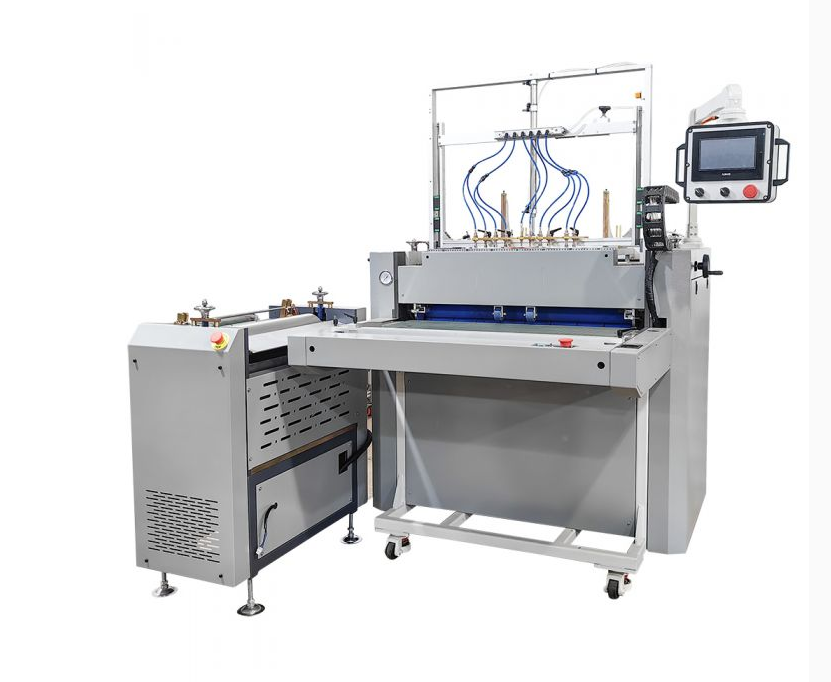
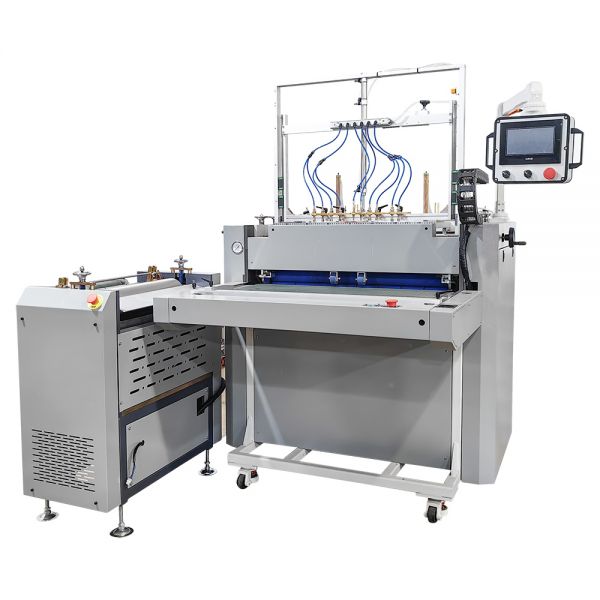 Semi Auto Digital Case Making Machine